
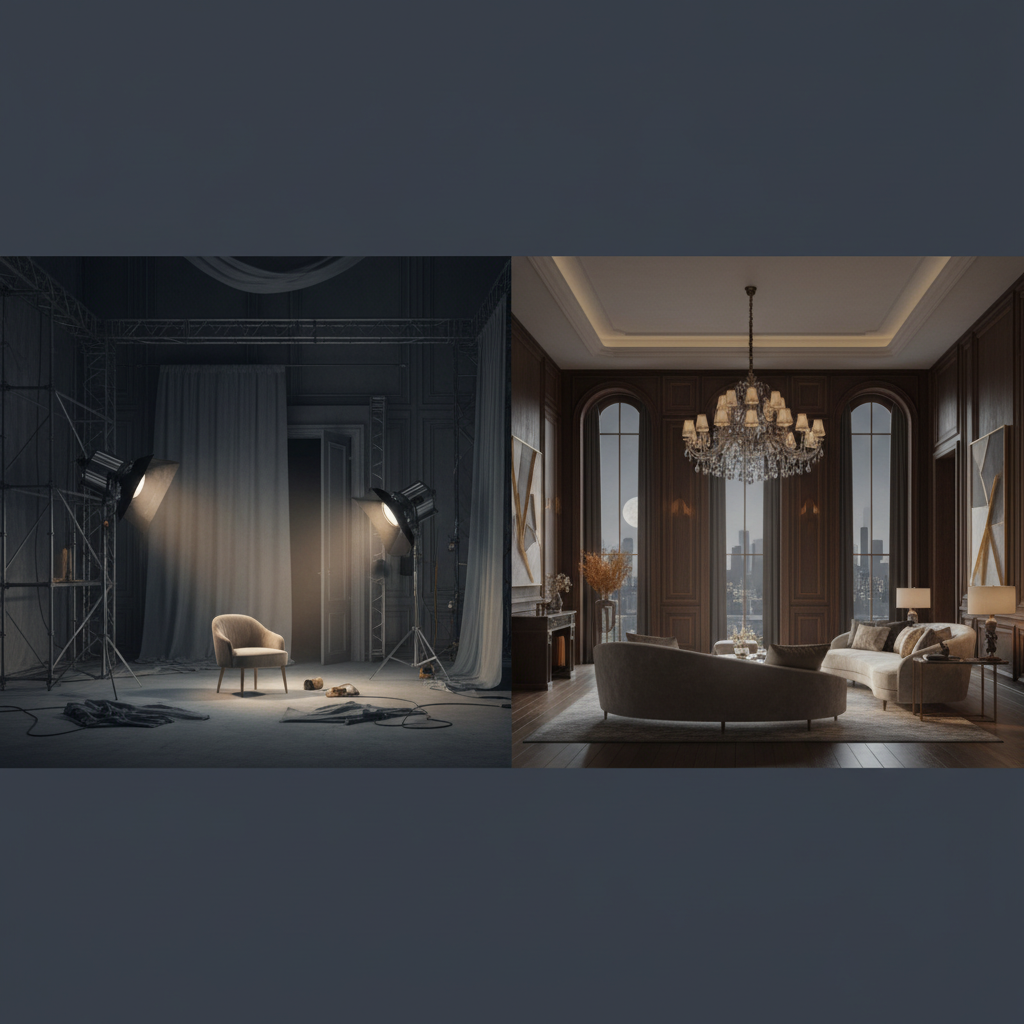
Setting the Scene: How Cinematic Set Design Inspires Dramatic Home Transformations
Have you ever watched a visually stunning film, like the highly anticipated dramatic feature “Red Snow,” and wished you could step right through the screen to live inside that beautifully crafted world? The secret behind that captivating on-screen magic is expert set design, a specialized craft that uses space, light, and texture to tell a compelling story before a single line of dialogue is spoken. Fortunately, you do not need a Hollywood budget or a director’s chair to bring that same dramatic energy into your own living space. By borrowing a few clever techniques from the silver screen, you can completely elevate your home’s aesthetic and daily atmosphere. Of course, turning a cinematic vision into a structural reality takes professional skill, which is exactly why partnering with a top-tier renovation company toronto is the best first step toward achieving your dream interior.
The Magic of Lighting: Creating Mood and Atmosphere
In the world of cinema, lighting is arguably the most powerful tool a director has to establish a mood. Think about the stark, moody contrasts that define dramatic thrillers like “Red Snow.” The interplay between deep shadows and strategic highlights creates an environment that feels alive, mysterious, and deeply engaging. When translating this concept to your home, you must move beyond standard overhead lighting. A single, bright fixture in the center of a room often flattens the space, stripping away its character and making it feel like a sterile waiting room rather than a cozy retreat.
Instead, cinematic home design relies heavily on layered lighting. This approach involves combining ambient, task, and accent lighting to create depth and dimension. For example, installing recessed lighting with dimmer switches allows you to control the overall brightness depending on the time of day or the mood you want to set. Furthermore, adding warm LED strip lights under cabinets or behind floating shelves can create a soft, glowing halo effect that instantly makes a room feel more sophisticated and dramatic.
Additionally, do not underestimate the power of practical lights. In film, practicals are the visible light sources in a scene, such as a vintage desk lamp or a flickering fireplace. By carefully selecting statement fixtures—like an oversized modern chandelier or industrial wall sconces—you can add functional art to your space. Ultimately, mastering your home’s lighting will allow you to transition your living room from a bright, energetic morning space into a moody, cinematic lounge by nightfall.
Color Palettes That Tell a Story
Every great film uses a specific color palette to subconsciously communicate emotions to the audience. In a dramatic feature film like “Red Snow,” you might notice a heavy reliance on stark, icy whites contrasted with deep, blood-red accents or shadowy charcoal tones to evoke tension and warmth simultaneously. This technique, known as color grading in the film industry, can absolutely be applied to your home renovation project to give your space a cohesive, intentional narrative.
To bring this cinematic drama into your house, start by choosing a foundational color that sets the primary tone. While neutral colors like beige and light gray are safe, dramatic transformations often call for bolder choices. Deep navy blues, rich emerald greens, or moody matte blacks are becoming increasingly popular for living rooms, dining areas, and even kitchens. These darker hues absorb light differently, creating a cozy, enveloping atmosphere that feels incredibly luxurious and intimate.
However, balance is key to ensuring your home does not feel too dark or overwhelming. If you paint your walls a deep, dramatic shade, you can balance the visual weight by incorporating lighter furniture, reflective metallic hardware, or bright, oversized artwork. Consequently, the contrast between the dark background and the lighter foreground elements creates a striking visual pop, much like a perfectly composed movie frame. A well-planned color palette will make every room in your house feel like a deliberate, beautifully designed set.
Texture and Materials: Adding Depth to Your Space
The camera loves texture, and so does the human eye. When set designers build a room for a movie, they know that flat, smooth surfaces can look incredibly boring on screen. To combat this, they layer different materials to give the space a lived-in, authentic, and tactile quality. Whether it is the rough, exposed brick of an urban loft or the plush velvet upholstery of a classic library, texture brings a room to life and makes it feel grounded.
When planning your home transformation, think about how different materials will interact with each other. A sleek, modern kitchen with glossy cabinets can benefit immensely from the addition of a rough-hewn reclaimed wood island or a textured stone backsplash. These contrasting elements prevent the room from feeling too clinical. Similarly, in a bedroom or living area, layering chunky knit throws, smooth leather chairs, and woven rugs adds a level of comfort and visual interest that invites people to sit down and stay awhile.
Moreover, architectural textures can dramatically alter the feel of your home. Adding wainscoting, crown molding, or custom wood paneling to a plain wall instantly elevates the room’s sophistication. If you want to capture the rugged, dramatic essence of a film like “Red Snow,” consider incorporating natural stone elements or dark, distressed hardwood floors. These materials not only look incredible but also stand the test of time, ensuring your home’s design remains a classic feature for years to come.
Focal Points and Framing: Directing the Eye
In filmmaking, the concept of “mise-en-scène” refers to the arrangement of everything that appears in the framing of a camera shot. Directors meticulously arrange actors, props, and scenery to guide the viewer’s eye exactly where they want it to go. You can use this exact same principle in interior design by establishing strong focal points in every room. A focal point anchors the space and gives the eye a natural place to rest upon entering.
A focal point can be a natural architectural feature, such as a massive picture window overlooking a snowy landscape, or a stunning, floor-to-ceiling stone fireplace. If your room lacks a built-in focal point, you can create one through your renovation efforts. Building a custom entertainment center, installing a dramatic kitchen hood, or creating an accent wall with bold wallpaper are all excellent ways to command attention and give the room a clear sense of purpose.
To achieve these ambitious structural changes, you need a team that understands how to execute a grand vision safely and beautifully. For instance, if you want to knock down a wall to create a sweeping, continuous view of your main floor, you should consult with experienced professionals. By working with Toronto Home Renovation Contractors By Red Stone Contracting, you guarantee that your home’s new focal points are built to the highest standard of quality. Their expertise ensures that your cinematic vision is translated into a structurally sound and visually breathtaking reality.
Scripting Your Space: Flow and Functionality
While aesthetics are incredibly important, a beautiful movie set is useless if the actors cannot move through it naturally. In film, the movement of actors within a space is called “blocking.” In home design, we refer to this as flow and functionality. A truly dramatic home transformation must look spectacular, but it must also support the daily rhythms and routines of the people who live there.
Consider how you move through your home on a daily basis. Does your kitchen layout allow you to cook and entertain seamlessly, or do you find yourself bumping into counters and guests? Open-concept layouts are highly sought after because they allow for a fluid transition between the kitchen, dining, and living areas. This kind of layout mimics a wide, sweeping camera pan, making the home feel expansive and connected. However, completely open spaces can sometimes lack intimacy.
To solve this, you can use furniture placement, area rugs, and varied ceiling heights to subtly define different “zones” within a larger room. This creates distinct areas for different activities—like a cozy reading nook or a formal dining space—without the need for restrictive walls. By carefully scripting the flow of your home, you ensure that the space is not only a visual masterpiece but also a highly functional environment that enhances your everyday life.
Action! Time to Transform Your Space
Bringing the dramatic flair of a cinematic feature like “Red Snow” into your home is an exciting and rewarding journey. By focusing on layered lighting, bold color palettes, rich textures, intentional framing, and seamless flow, you can turn any ordinary house into an extraordinary sanctuary. You do not have to settle for a bland, cookie-cutter interior when the techniques of Hollywood set designers are right at your fingertips.
Ultimately, a successful home transformation requires a blend of creative vision and expert craftsmanship. When you are ready to call “action” on your own renovation project, it is essential to partner with professionals who can bring your unique script to life. Reach out to a trusted local team to discuss your ideas, explore your options, and begin the process of turning your everyday living space into a breathtaking cinematic masterpiece.